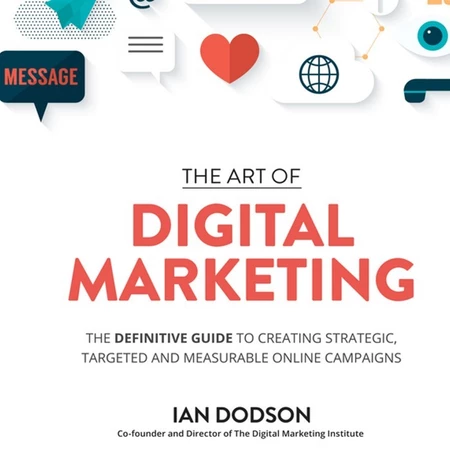
In today’s rapidly evolving business landscape, digital marketing has become a critical component for businesses looking to increase their visibility, attract customers, and drive sales. With the rise of the internet and mobile technology, companies now have a wide range of tools at their disposal to reach their target audience effectively. Digital marketing strategies encompass various tactics that leverage digital channels such as websites, social media, email, and search engines to promote products or services. In this article, we explore some of the most effective digital marketing strategies businesses can use to achieve long-term success.
1. Search Engine Optimization (SEO)
SEO is one of the most essential digital marketing strategies for improving a website’s visibility on search engine results pages (SERPs). By optimizing website content with relevant keywords, improving site structure, and ensuring mobile optimization, businesses can attract organic traffic from search engines like Google.
A strong SEO strategy helps businesses rank higher for specific keywords related to their industry or product, driving more qualified visitors to their website. On-page SEO (optimizing website elements like titles, headings, and meta descriptions) and off-page SEO (building backlinks and enhancing domain authority) are critical for improving search rankings and increasing traffic.
2. Content Marketing
Content marketing involves creating and distributing valuable, relevant, and consistent content to attract and engage a target audience. This can include blog posts, videos, podcasts, infographics, eBooks, and more. Content marketing is not just about promoting products; it’s about providing information that helps solve customer problems or educates them about a particular topic.
A well-executed content strategy helps build trust with potential customers, positions your brand as an industry leader, and improves SEO. By regularly publishing informative and engaging content, businesses can foster long-term relationships with their audience, ultimately leading to higher conversion rates.
3. Social Media Marketing
Social media marketing leverages platforms like Facebook, Instagram, Twitter, LinkedIn, and TikTok to build brand awareness, engage with customers, and drive traffic to your website. With billions of active users across various platforms, social media provides an excellent opportunity to reach a broad audience.
Businesses can create targeted advertising campaigns, interact with customers through posts and comments, and share valuable content to engage their followers. Paid social media campaigns can also help businesses target specific demographics, interests, or behaviors to reach potential customers who are most likely to convert.
4. Pay-Per-Click Advertising (PPC)
PPC advertising is a form of digital marketing where businesses pay a fee each time their ad is clicked. Google Ads and Bing Ads are two of the most popular platforms for running PPC campaigns. PPC can appear in search engine results, on websites, or on social media platforms.
The key benefit of PPC is that it allows businesses to drive targeted traffic to their website almost immediately. By bidding on relevant keywords and targeting specific demographics, businesses can achieve quick results. However, managing PPC campaigns requires ongoing monitoring and optimization to ensure the ads are cost-effective and reach the right audience.
5. Email Marketing
Email marketing remains one of the most powerful digital marketing strategies, particularly for nurturing leads and maintaining customer relationships. With email marketing, businesses can deliver personalized content directly to their audience’s inbox, keeping them informed about new products, promotions, and company updates.
Segmentation is a crucial aspect of email marketing, as it allows businesses to tailor messages based on customer behavior, preferences, or demographics. By sending targeted, relevant emails, businesses can significantly increase open rates, engagement, and conversions.
6. Influencer Marketing
Influencer marketing involves collaborating with individuals who have a significant following on social media or other platforms. These influencers can help promote products or services to their audience, often leading to higher levels of trust and engagement compared to traditional advertising.
Influencers often have a loyal, engaged following that trusts their recommendations. By partnering with influencers whose values align with your brand, you can tap into their audience and increase brand awareness and sales.
7. Video Marketing
Video marketing is one of the most engaging ways to connect with your audience. Whether through explainer videos, tutorials, behind-the-scenes content, or live streams, video can capture the attention of potential customers in a way that text or images cannot.
Platforms like YouTube, Instagram, and TikTok have become popular mediums for video marketing. Videos are effective at explaining complex products or services, telling compelling brand stories, or showcasing customer testimonials. With the rise of short-form video content, businesses can use platforms like TikTok and Instagram Reels to create engaging, bite-sized content that resonates with younger audiences.
Conclusion
Digital marketing strategies have become a necessity for businesses of all sizes looking to thrive in a competitive marketplace. By leveraging tactics like SEO, content marketing, social media marketing, PPC, email marketing, influencer marketing, and video marketing, businesses can build a strong online presence, engage with customers, and drive conversions. However, the key to success is not just in using these strategies, but in consistently optimizing and adapting them to meet the ever-changing needs and behaviors of consumers.